
By Ameen Ahsan · Brand designer and creative partner
An ecommerce ad creative brief should help a designer understand what the campaign needs to say, whom it needs to reach and what assets must be delivered. A folder of product photographs is useful input, but it cannot explain the offer or the decision you want a customer to make.
For a DTC launch, define the campaign’s purpose before discussing visual styles. Are you introducing an unfamiliar product, explaining a specific benefit, presenting an offer or refreshing an existing creative direction? Choose a primary objective so the team can judge ideas against the same brief.
Describe the product and its audience
Explain the product in plain language. Include its category, intended use, relevant variants and the customer problem it addresses. Identify the audience’s likely questions and the level of familiarity you expect them to have with the brand.
Useful inputs include real customer questions, approved product information and observations from earlier campaigns. Label assumptions clearly. If evidence is limited, a focused creative exploration is more honest than presenting an untested message as a proven winner.
Make the offer and message specific
Provide the actual offer, destination page and call to action. If the campaign uses a price, bundle or promotion, confirm the details and dates before artwork is prepared. Share the approved benefit statements and any wording that must remain exact.
For wellness, beauty or healthcare-related products, the brand should supply approved claims and required copy. The creative brief should identify the person responsible for reviewing that wording. A visual designer can organise and present supplied information; product claims still need the appropriate approval.
Send usable product and brand assets
- Logo files, colours, typography guidance and existing brand materials.
- Clear product photographs, packaging artwork and reference angles.
- Approved copy, product details and any supplied testimonials with permission to use them.
- Examples of previous creative, plus a short explanation of what you want to retain or change.
- The relevant website or product-page link.
If assets are missing, identify the gap before requesting final layouts. AI product imagery, retouching and new brand elements can be separate parts of the scope. Agree those tasks instead of assuming they come with every ad design.
Separate creative concepts from format variations
A new concept changes the central message, visual idea or way the product is presented. A format variation adapts an agreed concept for another placement or crop. Distinguishing the two helps the team define a realistic deliverable list.
For example, a product-led composition and a lifestyle-led scene are two different directions. Adapting the selected composition to another placement is a different production task. State how many concepts, selected assets and adaptations you need, then confirm current placement specifications with your media team.
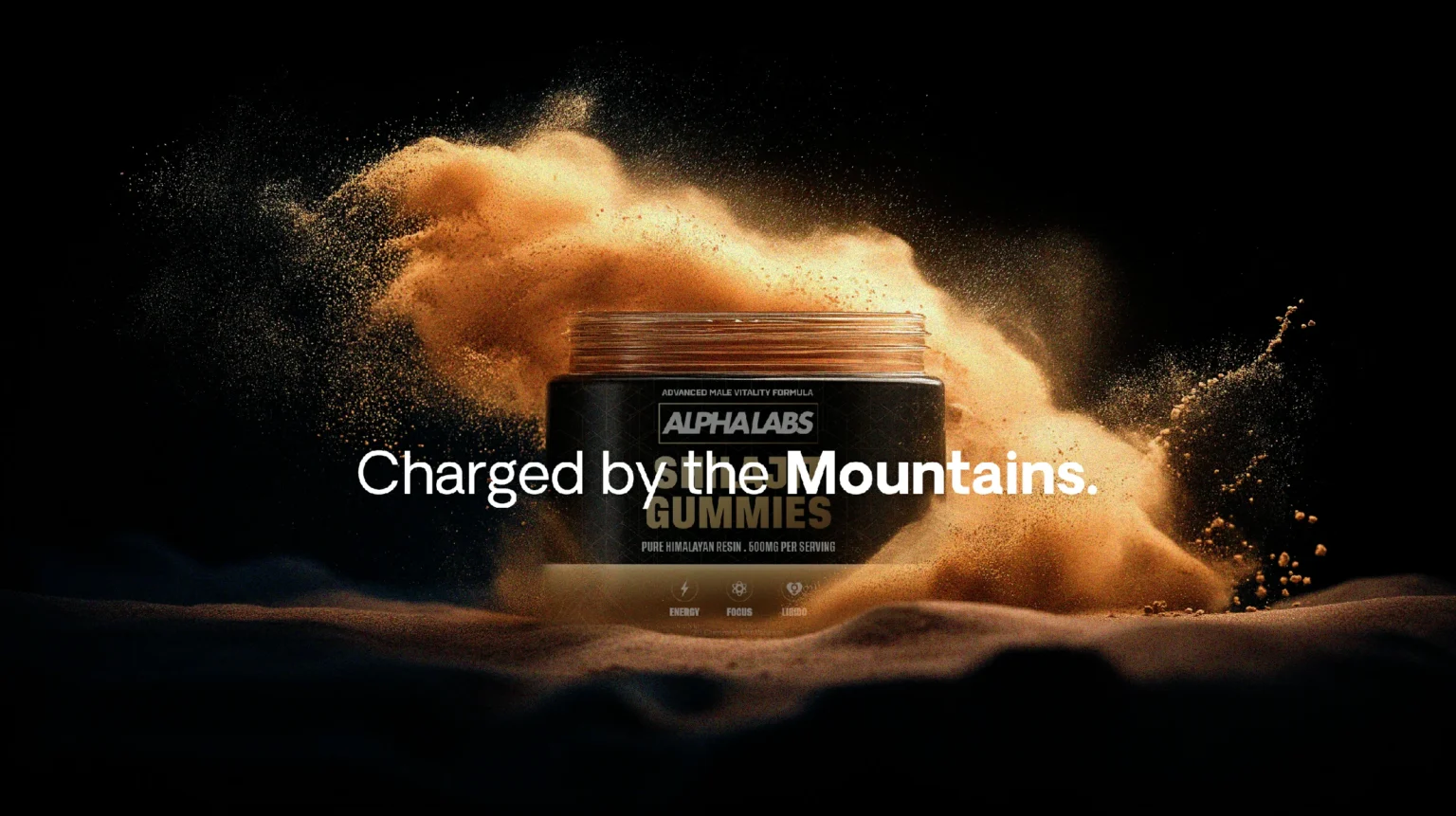
The AlphaLabs project shows product and lifestyle imagery developed for a wellness brand. Media Hamlet offers another launch-campaign example. These examples help you assess the art direction and execution relevant to your brief.
Agree the review and handover process
Name one person to consolidate feedback. Set the review stages, revision rounds, file formats and target delivery date in the proposal. If editable source files are needed, discuss that before the work begins, along with any font or asset dependencies.
Agree who checks product accuracy, wording and placement suitability. Keep a simple version list so the marketing team knows which files are approved. A clear handover reduces the chance that an old price or unapproved message reaches a live campaign.
Plan what happens after launch
Creative production and campaign management are different responsibilities. Agree who will launch the ads, monitor the account and share results. If a later creative iteration is needed, provide context: audience, placement, dates, spend and the outcome being measured.
That information can support the next brief, but it should be interpreted alongside the offer, landing page and media setup.
A copyable ecommerce ad creative brief
- Brand and product:
- Audience and main customer question:
- Campaign objective, approved offer and message:
- Landing page and call to action:
- Available assets and missing production work:
- Creative concepts, placements and final deliverables:
- Approvers, review rounds, launch date and budget:
Explore my DTC creative and ecommerce ad design service, then send your project brief. I’ll review the requirements and suggest a practical starting scope.